
Choosing coastal railings in Dorset isn’t just about looks. Salt air, strong winds, and safety standards all play a big part in picking the right solution. Whether you want glass balustrades Poole trusts or marine grade 316 stainless steel for lasting protection, making the right choice first saves time and money. Keep reading to learn what really matters when selecting coastal railings Dorset homeowners and businesses rely on. Ready to get started? Call 01202 668084 for free advice or book your free site survey at T&G Promech. 📞
Key Considerations for Coastal Railings
When selecting railings for a coastal property, it’s essential to consider the unique environmental challenges these locations present. To make informed decisions, you should be familiar with marine environments and how they affect materials.
Understanding Marine Environments
Coastal areas are beautiful but come with harsh conditions. Salt air can be corrosive, making it crucial for you to choose materials that withstand these elements. Wind is another factor, as strong gusts can impact the stability of your railings. It’s important to think about these environmental factors when choosing your railing materials. Learn more about how coastal winds affect deck railing choices.
Importance of Salt Air Corrosion Protection
Salt air is a silent enemy that can cause significant damage over time. It’s vital to ensure your railings have proper corrosion protection. This will keep them looking good and functioning well for years. Materials like marine grade 316 stainless steel are specifically designed to resist these corrosive effects. Opting for such materials can save you from frequent replacements and maintenance costs.
Choosing the Right Materials
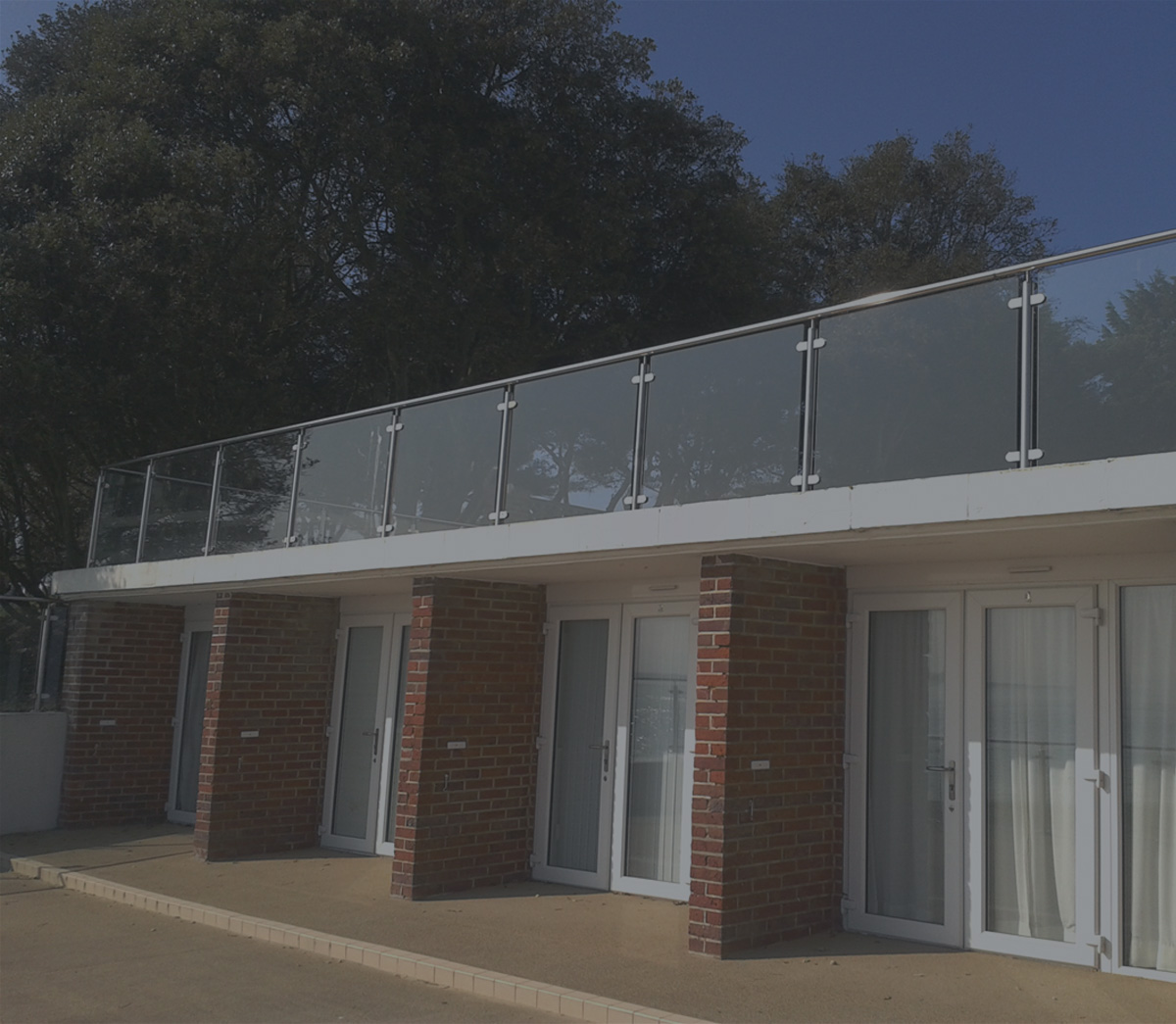
Selecting the right materials for your railings isn’t just about aesthetics. It’s also about durability, safety, and meeting local regulations. Here, we’ll delve into some of the top choices for coastal railings.
Benefits of Marine Grade 316 Stainless
Marine grade 316 stainless steel stands out for its durability in coastal environments. This material is not only strong but also offers excellent resistance to salt air corrosion. It’s a smart choice if you’re looking for something that provides longevity and minimal maintenance. Most people think regular steel will suffice, but marine-grade options truly make a difference in harsh environments.
Advantages of Laminated Toughened Glass
Laminated toughened glass is another popular choice for coastal railings. It offers a sleek and modern look while providing robust safety features. This type of glass is designed to withstand strong winds and impacts, making it ideal for areas prone to harsh weather. It also enhances the perception of space and light, making your outdoor areas feel more open and inviting.
Safety Standards and Regulations
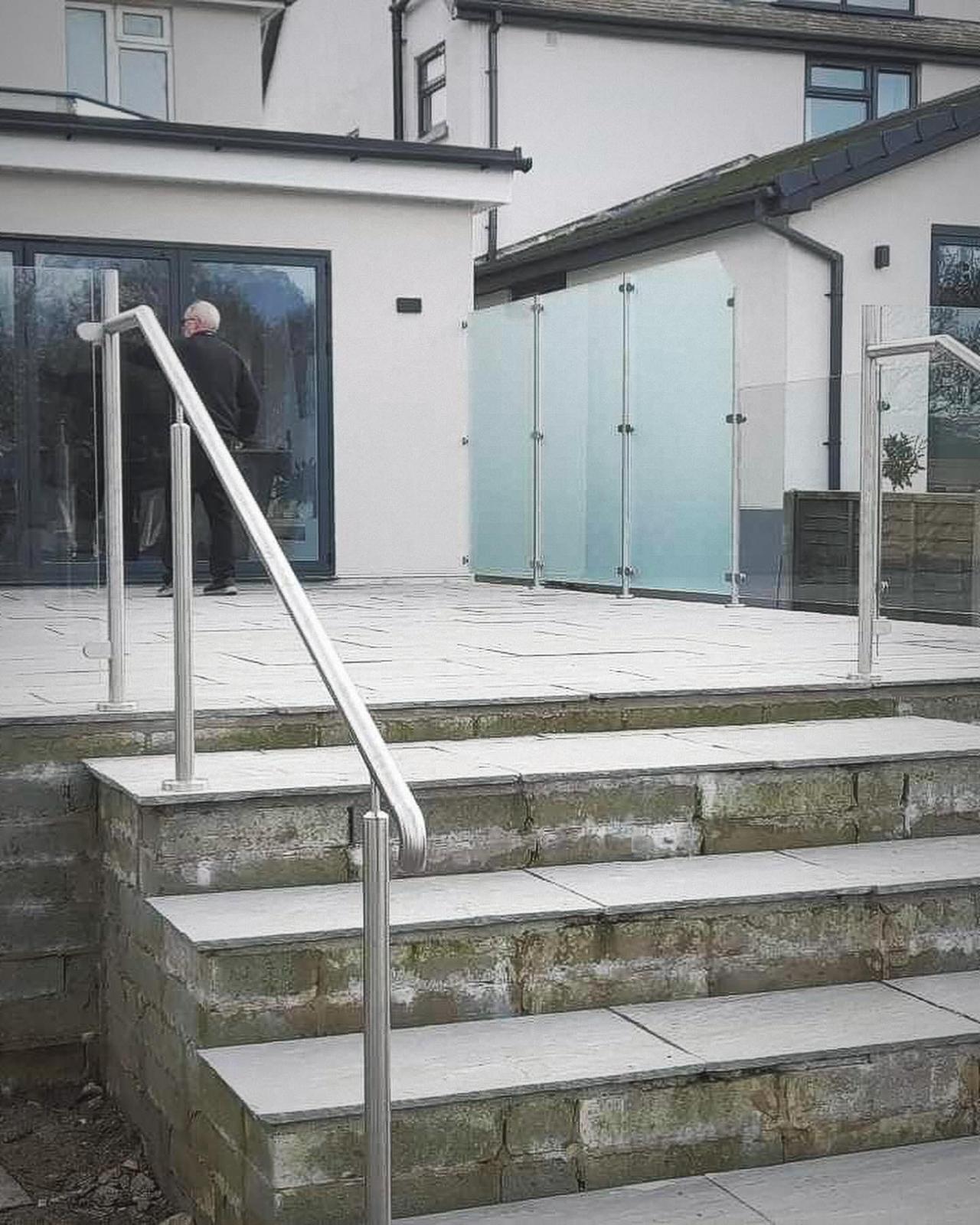
Any railing installation should comply with local safety standards and regulations. Understanding these can ensure that your railings are both safe and legal.
BS 6180 Compliance for Railings
Compliance with BS 6180 is crucial for any railing installation in the UK. This standard covers the design and installation of barriers, ensuring they are safe for use. It includes guidelines on height, materials, and strength, ensuring your railings are secure and reliable. Ensuring BS 6180 compliance not only safeguards your property, it also enhances its value.
Navigating Part K Building Regulations
Part K building regulations focus on preventing falls, collision, and impact, which are essential considerations for any railing project. These regulations ensure that your railings are safe and suitable for use by everyone, including children and those with mobility issues. Understanding and adhering to these regulations can protect you from legal issues and increase the usability of your space.
Frequently Asked Questions
What materials are best for coastal railings?
Marine grade 316 stainless steel and laminated toughened glass are excellent choices. They offer corrosion resistance and durability, making them ideal for coastal environments.
Why is salt air a concern for railings?
Salt air can cause corrosion, which weakens materials over time. Choosing materials that resist corrosion can prolong the life of your railings.
What is BS 6180 compliance?
BS 6180 compliance ensures that your railings meet UK standards for safety, covering aspects like height, strength, and materials to prevent accidents.
How do Part K building regulations affect railing installation?
Part K regulations focus on safety, requiring that railings prevent falls and collisions. Complying with these regulations ensures your railings are safe for all users.
Where can I find more information about coastal railings?
For more detailed insights, you can visit VB Homes Living and Cable Bullet.
Visit our website to learn more